


The journey of tea from leaf to cup is introduced during a visit. Dotted with the Eastern Himalayan backdrop, Darjeeling is an ageless mountain allure. Grown on mist-covered slopes where altitude, cool weather, fertile soil, and meticulous craftsmanship combine to create incredibly unique charm, it is home to one of the most renowned tea productions in the world.
You can explore a spectacular tea garden tour in the hill station planned by the best hotel in Darjeeling. If you are a traveler who enjoys tea gardens or is fascinated by tea will have the chance to do beyond taking in the scenery when you visit Darjeeling's tea farms.
You can stroll through emerald-green spreads of gardens, witness traditional tea-making, get to know the people who grow the tea, and sample teas right from the source. Tea is an integral part of the Darjeeling region and economy, with over 87 operational tea gardens spread around seven valleys.
A visit to a tea plantation can be one of the most memorable parts of your Darjeeling vacation, regardless of whether you are an avid tea lover or just interested in what makes tea here so unique.
What Makes Darjeeling Tea So Special?
The quality of Darjeeling tea is hard to find anywhere. The gardens are spread throughout the foothills of the Eastern Himalayas. Here, the tea plants are influenced by temperature, rainfall, elevation, terrain, and seasonal changes. The tea's complex flavor, vivid character, and subtle aroma are all influenced by these natural factors.
Elegant floral and fruity aromas, mild astringency, and a unique muscatel character, especially in some second-flush teas, are typically linked to Darjeeling teas. Tea tasting in Darjeeling is a fascinating experience because the delight can differ greatly between estates and harvests.
The history of the tea industry in the hill station is equally impressive. The 19th century saw the establishment of numerous estates in the land, leaving a legacy that may be seen in factories, ancient plantation houses, and traditional farming practices.
Happy Valley Tea Estate - A Traditional Darjeeling Experience Awaits
Happy Valley Tea Estate is probably the most popular in the region. It’s a great starting point if you like to explore a tea plantation without going far from Darjeeling town.
The second-oldest tea estate in the district, it was founded in 1854 and spans over 177 hectares at an elevation of roughly 2,100 meters. The town of Darjeeling is only about three km away, and you can easily reach it by car.
You can explore the gardens and learn about the many stages of tea production, including rolling, oxidation, drying, and withering, depending on the season and operational conditions.
Happy Valley's visitation hours are currently listed by the district administration as Tuesday through Saturday from 8:00 a.m. to 4:30 p.m.; it’s vital to check the recent arrangements before visiting.
Makaibari: A Concoction of Tea, Nature, & Community
Makaibari Tea Estate provides a more expansive tea-tourism experience for visitors who are willing to travel to Kurseong. The estate blends community-based activities, forests, and tea cultivation.
Explore tea picking, tea production, and tea tasting with a tea expert, all part of its official tourism program. Instead of simply seeing a picturesque plantation, Makaibari is especially appealing if you want to comprehend tea as a part of a living landscape.
Explorers can learn about the production and cultivation processes through guided experiences, and the journey is further enhanced by community events and forest walks.
Also, the estate offers factory visits; its website currently lists the hours for weekday morning trips. But before you organize your trip, be sure you are available because timetables are subject to change.
Glenburn, Ging, & Singtom: For a More Enriching Tea Experience
The tea landscape of Darjeeling goes much beyond its most popular tea gardens. Lying near Darjeeling, Singtom Tea Estate gives you a chance to savour the richness of vast private plantation grounds with a striking Himalayan landscape.
According to West Bengal Tourism, it is a heritage tea location where tourists may take in expansive vistas of the mountains and plantation life. Ging Tea Estate, which is around 20 to 30 minutes away from Darjeeling, is another noteworthy choice.
The estate, which spans over 600 hectares, including rich heritage surroundings, forested areas, and tea plants. Glenburn Tea Estate is appealing to tourists looking for an opulent plantation getaway.
The plantation area, founded in 1859 and remarkable for growing high-quality Darjeeling tea, has a view of Mount Kanchenjunga and the River Rungeet. Glenburn produces several types of tea but specializes in black tea.
How to Savor the Goodness of Taste of Darjeeling Tea?
Slowing down and exploring mindfully makes your tea tasting more pleasurable. Start by observing the shape, color, and scent of the dry leaves in Darjeeling tea gardens. After the tea is prepared, look at the color of the beverage before you take a tiny sip.
Take note of whether it tastes earthy, sweet, woodsy, floral, fruity, or brisk. Next, think about the finish, like whether the flavor fades fast or lingers pleasantly on the palate.
When Is the Best Time to Visit Darjeeling Tea Gardens?
What you wish to experience will determine the best moment on your tea garden trip. For tourists who want to witness the cultivation of tea, spring is usually fascinating. Happy Valley describes the months of March through May as busy times for plucking and processing.
However, plantation conditions and tea availability might change due to Darjeeling's shifting seasons. Before you arrive, get in touch with the estate to inquire about the current crop, factory tours, and tasting sessions if you are into sampling Darjeeling tea.
If scenic nature is your purpose of traveling, pick a time of day when you can see the mountains well and give yourself some leeway. Mist contributes to Darjeeling's unique environment, and the Eastern Himalayan weather can change suddenly.
Where to Stay in Darjeeling to Easily Discover Tea Gardens?
Tea plantation visits can be made much simpler by booking the appropriate hotel in Darjeeling. If you would rather stay close to Darjeeling town, a hotel with a central location allows you to take day trips to neighboring estates. Also, it provides easy access to restaurants, activities, and transportation.
Staying at a tea estate or plantation retreat could ensure a more immersive tea garden experience. Multiple tea-tourism destinations, such as Glenburn Tea Estate, Ging Tea House, Singtom Tea Estate, The Arya Tea Resort, and other plantation stays, are highlighted.
Windamere Hotel is one of the promising properties here to check into. The stay gives modern amenities with colonial ardour, featuring exclusive tour packages that cover tea gardens.
A Few Tips for Visiting Darjeeling Tea Plantations
Before you plan and arrange this tour, consider the following practical points in mind:
- Verify the opening times because factory and plantation schedules can change depending on the season.
- Check the availability of tea tastings, since not all estates provide the same visitor experience every day.
- Because tea gardens here are hilly and sometimes have rough paths, wear comfortable shoes.
- Bring a lightweight jacket because the weather in the mountains can change quickly.
- Show consideration for tea plantation workers; do not interfere with factory or harvesting operations.
- Make an unforgettable memory by buying tea straight from an estate or trustworthy vendor.
- It is better to take your time visiting a plantation rather than rushing through multiple tea gardens in one day.
Final Words
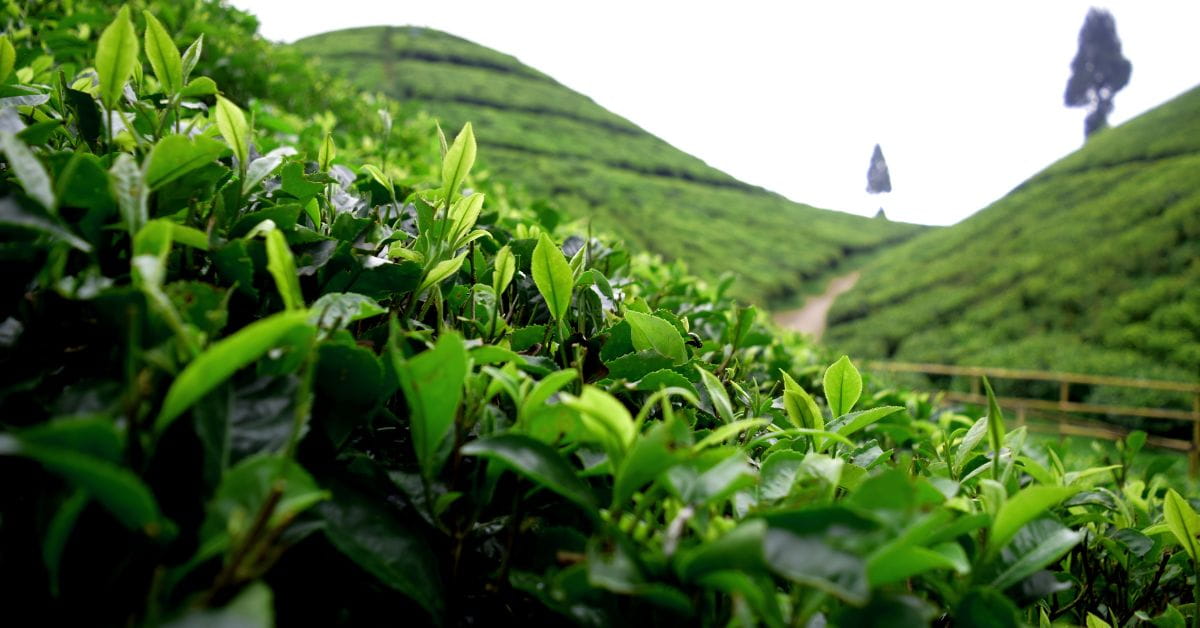
Seeing rows of tea trees climbing the hills, understanding how delicate leaves are turned into finished tea, and then tasting the product in the actual area where it was cultivated are the most rewarding experiences to witness.
Discovering Darjeeling's tea farms is getting a chance to learn about the area through its most exclusive crop. Every estate boasts a distinct aspect of Darjeeling's tea culture.
And, by choosing the best hotel in Darjeeling that has good proximity to tea gardens, you not only find a stay but also get choices for tea garden tour packages.
FAQs
1. Which tea plantation is easiest to visit from Darjeeling town?
One of the most practical options is Happy Valley Tea Estate, a popular tourist destination, and is around 3 km from Darjeeling town.
2. When is the ideal season to visit the tea plantations in Darjeeling?
If you want to witness active tea harvesting and processing, March through May is very rewarding.
3. When tasting Darjeeling tea, what should I look for?
Explore the finish, brightness, sweetness, and aroma, as Darjeeling tea can have fruity, flowery, and muscatel-like qualities depending on how it is harvested and processed.
4. Can I stay inside a Darjeeling tea estate?
A number of tea estates have transformed plantation homes or historic planter bungalows into lodging for visitors, such as Singtom Tea Estate & Resort and Chiabari Heritage Tea Hotel.
