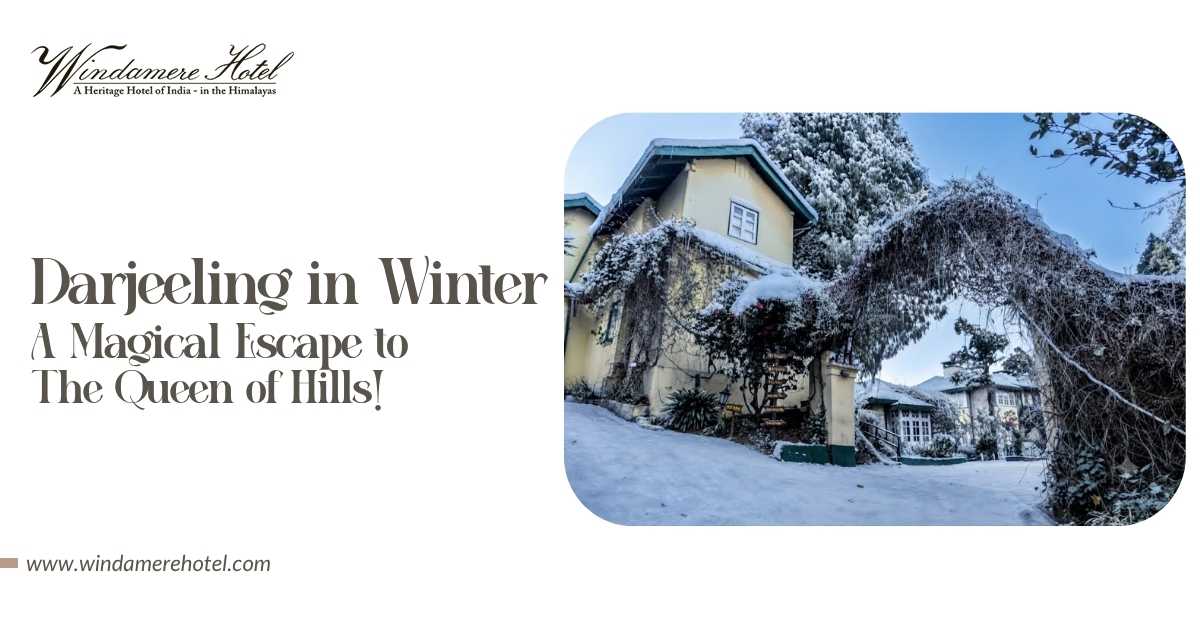



Hill stations during winter boast cinematic excellence. A steaming cup of Darjeeling tea becomes winter comfort. The world-famous Darjeeling tea in the morning opens with a pale golden sunrise over the Himalayas, and the clean, fresh air is an unmatched experience. To experience this, it becomes imperative to stay at the best hotel in Darjeeling.
The renowned "Queen of the Hills" assumes a more subdued and captivating persona as mist floats over the lush hills and Mount Kanchenjunga emerges between the clouds.
Winter gives a clear, quiet, peaceful, cozy, and heritage alpine landscape. The land of Darjeeling features a lot to discover besides its classic hill-station appeal, from the ancient Toy Train to Tiger Hill, monasteries, tea gardens, and colonial charm.
Darjeeling Winter Weather: What You Can Expect
Winter in the region is often cold, dry, and clear, and the temperatures can drop to 1°C to 17.8°C in the month of December. -0.4°C to 15°C in January, and 0.8°C and 16°C in February.
Actual conditions can vary, especially at night and on high elevations. The main draw is clear visibility; clear winter mornings can offer incredible vistas of the Eastern Himalayan peaks, but mountain weather can change suddenly. However, snowfall in Darjeeling town is not assured.
- Best Time: December through February are the best winter months.
- Coldest Month: In hill stations, January is typically the coldest month.
- Ideal for Views of Mountains: Clear winter mornings.
- What to anticipate: Chilly evenings, sunny spells, cold mornings, and sporadic weather variations
Prior to traveling, always check the most recent weather and road conditions, particularly if your schedule includes higher-altitude locations.
Darjeeling's Top Winter Travel Destinations
- Tiger Hill
Start with a sunrise experience at Tiger Hill. Kanchenjunga becomes more alluring with the first rays of sunshine on a bright morning, producing a remarkable view of the Himalayas. Check local conditions before departing, as visibility changes based on the weather, and cloudy weather may produce obstructed views.
- Batasia Loop
This place blends exceptional scenery and engineering. The noted railroad loop is strongly linked to the traditional Toy Train experience and provides views of the surrounding mountains and Darjeeling environment.
- Darjeeling Himalayan Railway
The famous Darjeeling Himalayan Railroad, popularly called the Toy Train, is a must-see on any winter vacation. The UNESCO World Heritage railroad is one of Darjeeling's defining features and provides a leisurely approach to experience the alpine panorama.
- The Mall Road and Chowrasta
Go to Chowrasta for a laid-back afternoon. Stroll through the mall, peruse neighborhood stores, savor warm beverages and snacks, and just engage in Darjeeling's unique hill-town lifestyle.
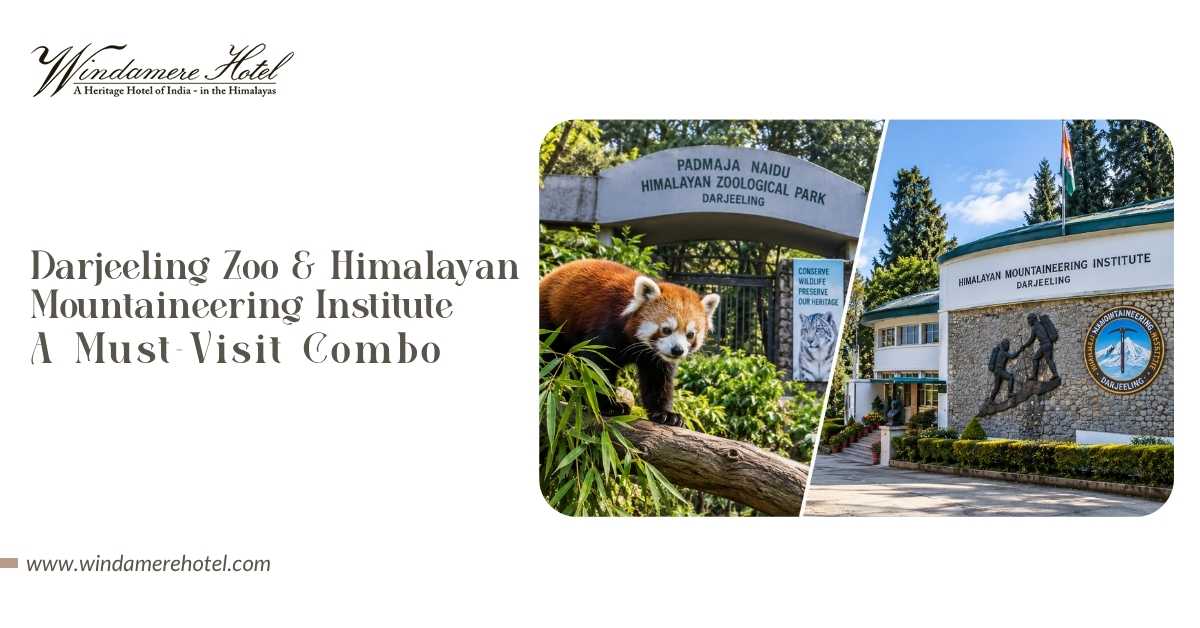
This high-altitude zoo is home to Himalayan animals like the snow leopard and red panda, a great place for family vacationers and wildlife enthusiasts. A family-friendly Darjeeling itinerary might benefit from its inclusion.
- Mahakal Temple along with the Japanese Peace Pagoda
Witness the peaceful grandeur of the Japanese Peace Pagoda and Mahakal Temple for a more leisurely, contemplative experience. Near Chowrasta, Observatory Hill is also connected to holy sites and expansive vistas of the Himalayas.
Tea Gardens
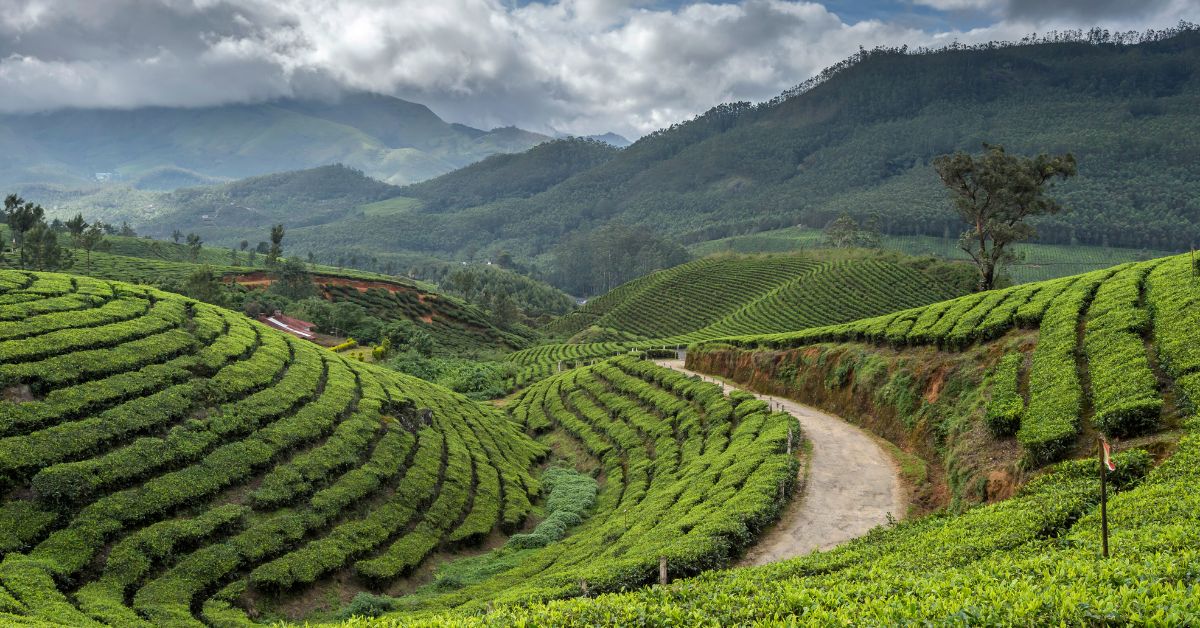
Tea is an integral part of Darjeeling's identity, isn’t it? A visit to a tea estate can nevertheless offer a great understanding of the region's history and culture, even though the winter environment may not have the lush monsoon appearance typical of the area.
Best Things to Do on Your Darjeeling Trip in Winter
- Observe the dawn from sunrise from sunrise from sunrise
- Take a Toy Train ride (Joy Ride)
- Savour the taste of Darjeeling tea and tour tea gardens
- Walk Chowrasta and Mall Road
- Explore cultural sites and monasteries
- Try hot thukpa and momos
- Enjoy locally prepared tea
- Take pictures of colonial-era buildings and winter scenery
- Investigate neighboring vantage sites and more secluded hill locations
Make meticulous plans if you enjoy trekking, hiking, and paragliding in Darjeeling.
What to Eat in Darjeeling in Winter?
Cold temperatures and Eastern Himalayan cuisine are a natural combination.
You can begin with momos, then on to thukpa, a hot noodle soup that is especially pleasant on chilly evenings. Other local and regional specialties to try include sha phaley and traditional snacks inspired by Tibetan, Nepali, and Himalayan eating traditions.
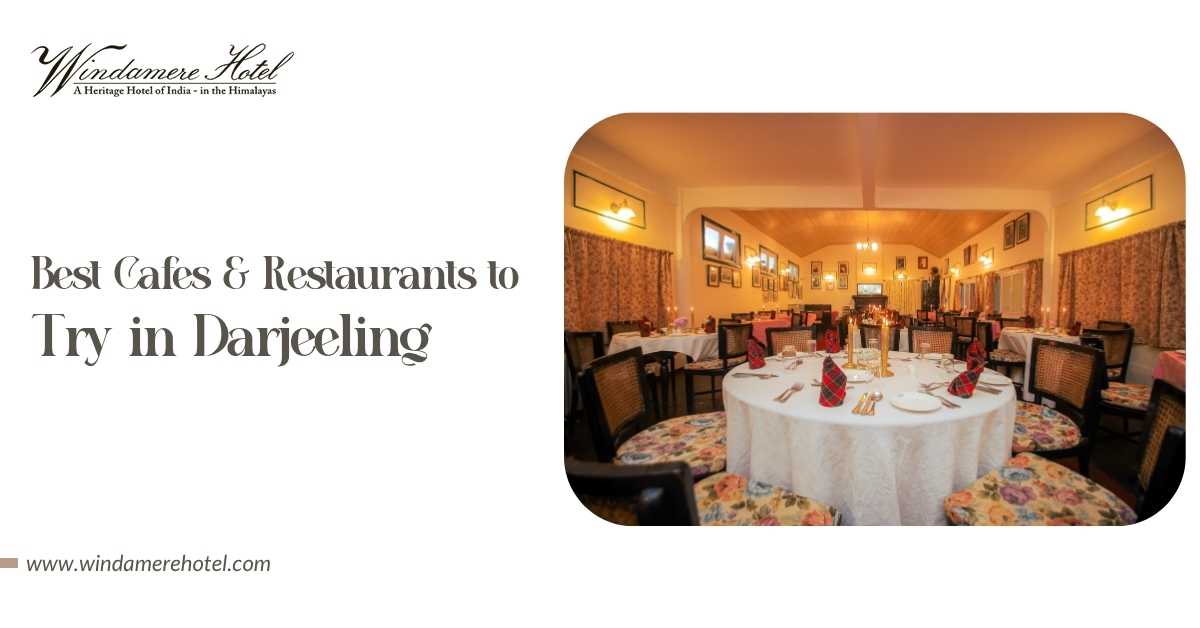
Be sure you set aside time for Darjeeling tea garden trips. The region's gastronomic experiences include momos, thukpa, Nepali thali, sel roti, sha phaley, and Tibetan tea.
What You Should Pack for Darjeeling in the Winter
Smart packing is what you need if you are planning a trip to any hill station during winter.
Essential winter packing list:
- Warm jacket or an insulated outer layer
- Thermal innerwear
- Sweaters or fleece layers
- Comfortable walking shoes with an excellent grip
- Warm socks.
- Gloves
- Woolen cap
- Scarf
- Moisturizer and lip balm
- Sunglasses sunscreen
- Reusable water bottle
- Basic medications.
- Power bank
- Small umbrellas or rain gears
The most effective method is layering if you are planning to travel during winter. You may require several warm layers in the morning, but fewer clothes in the afternoon when the sun is out.
Where to Stay in Darjeeling in Winter?
For first-time visitors: Staying around Chowrasta or Mall Road makes it easy to go to shops, restaurants, and important attractions in Darjeeling.
For couples: Seek out a more tranquil hotel in Darjeeling with rooms facing the mountains, comfortable common areas, and adequate heating.
For families: They should prioritize easy access, dependable hot water, cozy accommodations, and simple transit.
For a heritage experience: There are hotels in Darjeeling where colonial-era architecture adds to the trip's overall charm.
Accommodations get rapidly booked around popular winter dates such as Christmas and New Year's. Booking in advance is therefore advisable, especially if you prefer a certain Darjeeling hotel category or a room with a mountain view.
How to Reach
By Air
The nearest major airport is Bagdogra International Airport, which is connected to major Indian cities, and travelers can take the road from Bagdogra to Darjeeling.
By train
New Jalpaiguri Junction (NJP) is the primary railway junction for passengers arriving by train. Based on your schedule and ticket availability, you can continue from NJP via taxi, shared vehicle, or Darjeeling Himalayan Railway.
By Road
Darjeeling is connected to Siliguri by road, and shared taxis, private cabs, and other local transportation choices are often used for the hill journey.
A 3-Day Darjeeling Winter Itinerary – Overview
When you get to Darjeeling, check into your hotel, freshen up, and take a rest, then head out to the Mall Road.
Relish a leisurely walk through the town in the evening, explore Chowrasta and Mall Road, and have tea at a neighborhood café. If the weather is clear, take advantage of the perspective in the evening or just take in the ambiance of the mountains.
Day 2: Heritage Darjeeling + Tiger Hill
For the Tiger Hill sunrise, start early around 4:15 am. Once you're back, visit Batasia Loop and Ghoom, then leave for the Padmaja Naidu Himalayan Zoological Park and neighboring sites like the Himalayan Mountaineering Institute later.
End your day with local cuisine and a relaxing evening in Chowrasta.
Day 3: Toy Train + Tea + Departure
Start by checking ticket availability, and the rest of the time can be spent shopping for Darjeeling tea, handicrafts, and winter goods or seeing a tea estate.
Then check out and head to Bagdogra or NJP. Instead of packing every day with Darjeeling sightseeing, think about including more serene locations surrounding the Darjeeling hills if you have four or five days.
Is Winter Travel to Darjeeling Worthwhile?
You can wake up to mist or see the Kanchenjunga in incredible clarity. A rewarding afternoon can be perfect for strolling, or an unexpectedly chilly evening might prompt you to look for tea and thukpa. A mountain destination's character includes this uncertainty.
Winter may be a great time to witness Darjeeling's mountains, tea culture, historic railway, cuisine, and colonial-era beauty with sensible layering, flexible travel arrangements, and early reservations during popular dates.
Final Words
The exclusive beauty of Darjeeling in winter is beyond compare. This is also the time when the Eastern Himalayan backdrop becomes more enriching. So, allow the Queen of the Hills to reveal herself at her own pace; start early, pack warmly, and make time for leisurely moments.
If you are into experiencing the richness of winter in the Himalayan hill station, plan smartly with Windamere Hotel, offering not only a promising heritage stay but also ensuring a delightful Darjeeling sightseeing experience.
FAQs
1. Does winter in Darjeeling become really cold?
January is usually the coldest month, with nighttime lows of nearly freezing temperatures.
2. Does Darjeeling experience snowfall during the winter?
Snowfall is not assured, although it is conceivable; do not plan your journey around it.
3. Which month is best for Darjeeling in winter?
Winter activities are available in December, January, and February. And for those looking for colder weather, January is especially ideal.
4. What should I wear during a trip?
Bring comfortable shoes, gloves, a warm jacket, sweaters, thermal layers, and a cap.
5. Can I ride the Toy Train in winter?
There are tourist services available, but their availability and schedules often change, and before you make a reservation, check the most recent railway information. A UNESCO World Heritage railroad is the Darjeeling Himalayan Railway.
6. How many days are enough for Darjeeling?
Major highlights can be completed in three days; a relaxed schedule and local excursions are possible in four to five days.